Uni-1 Image Intelligence.
A multimodal model for image reasoning, editing, and generation.
Public free trial opened on March 23, 2026
Uni-1 Image Generator
Generate and edit images directly on the homepage.
Use the hero CTA above to jump into the full generator page.
Tus imágenes generadas aparecerán aquí
Newest jobs stay on top, each with its own progress and result.
Uni-1 Outputs From Real Prompts.
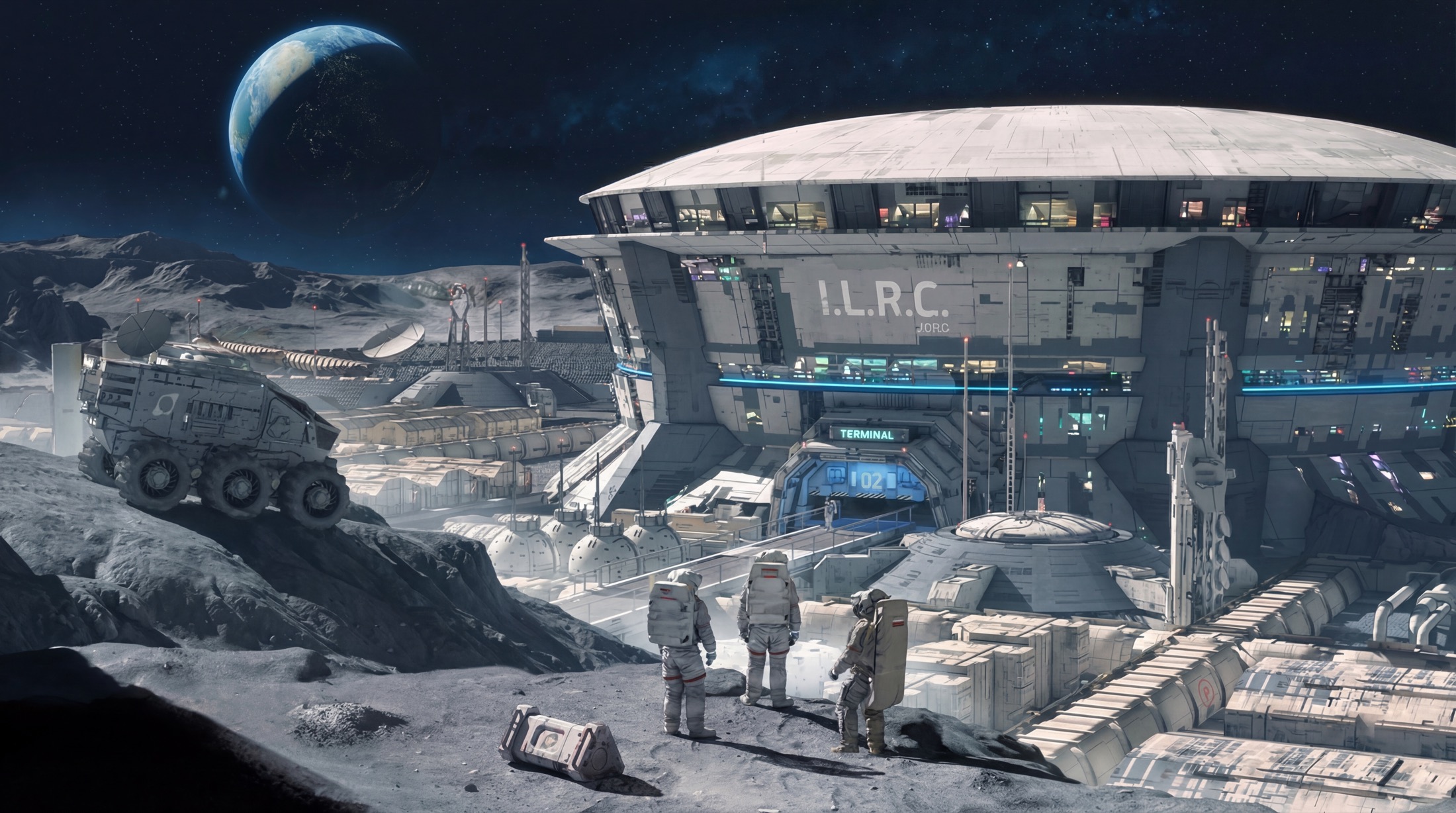
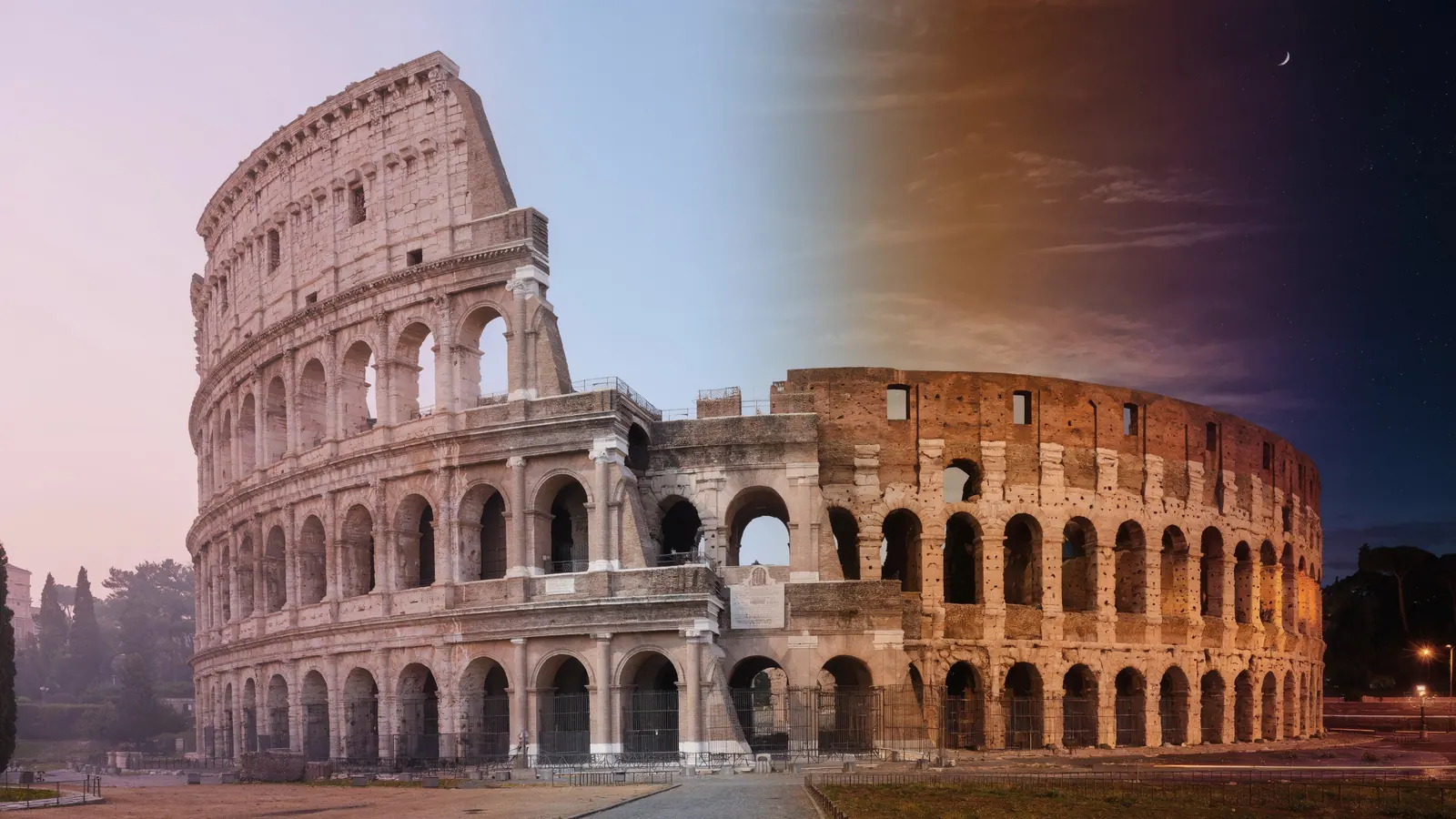
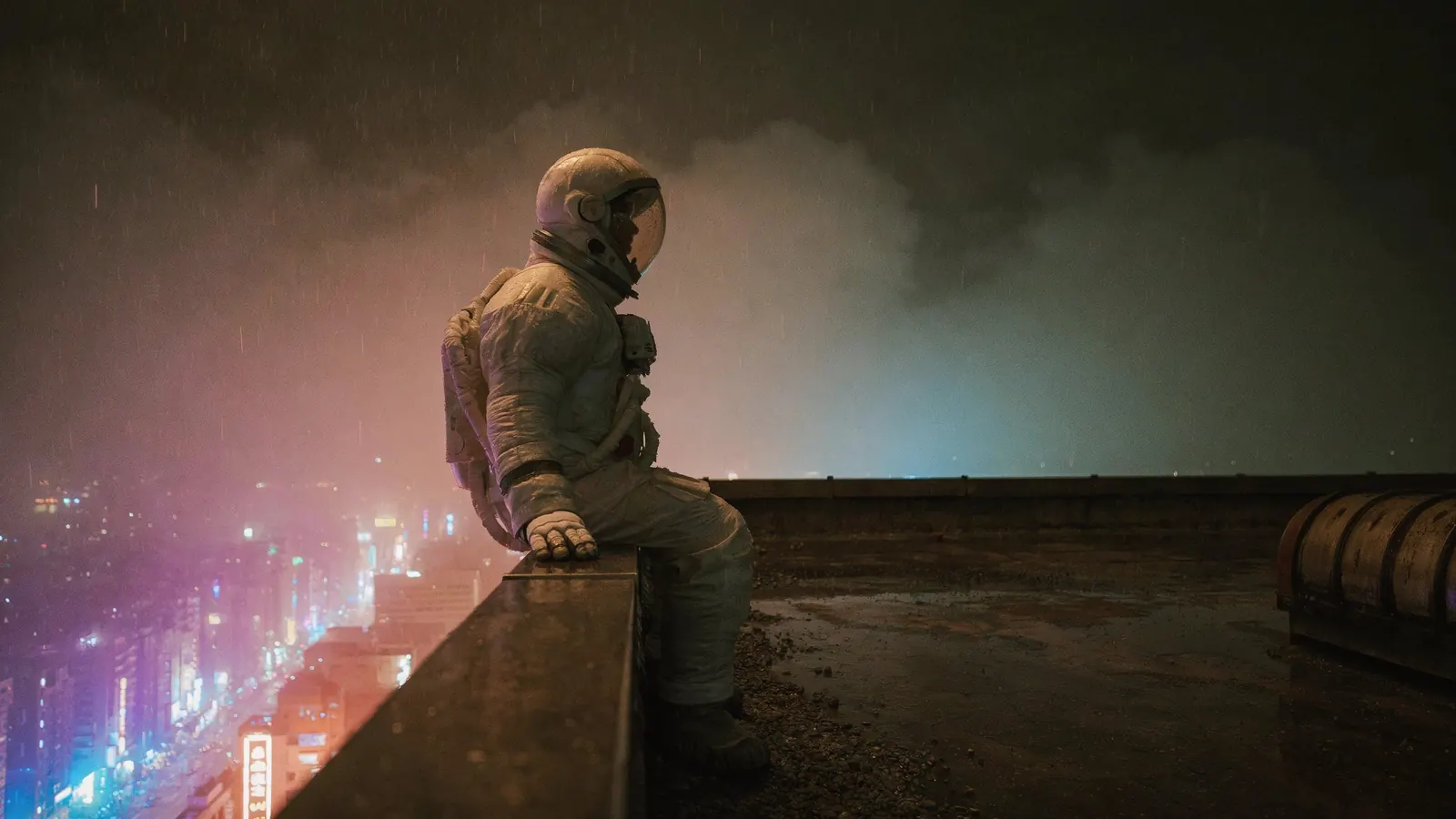
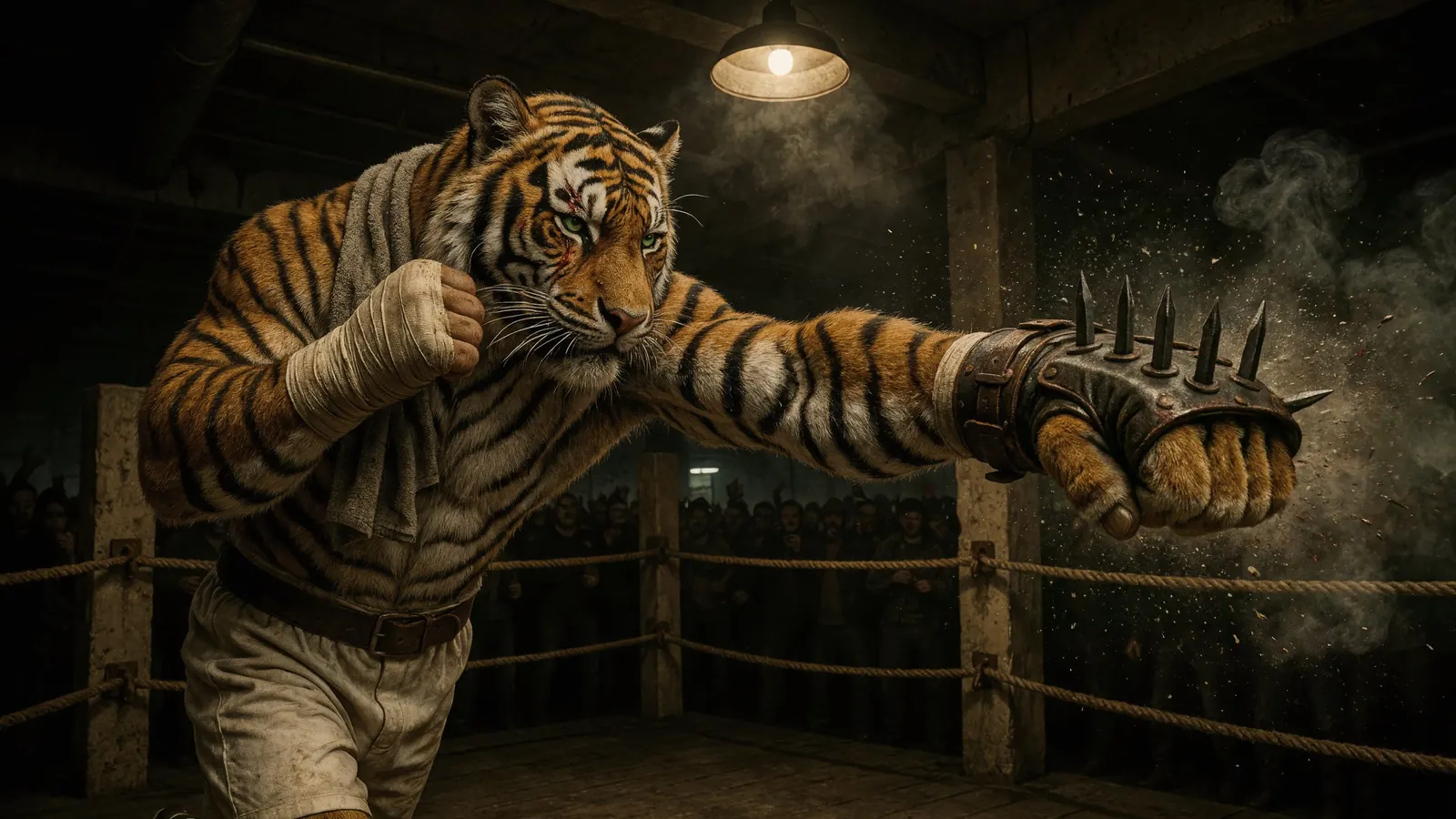
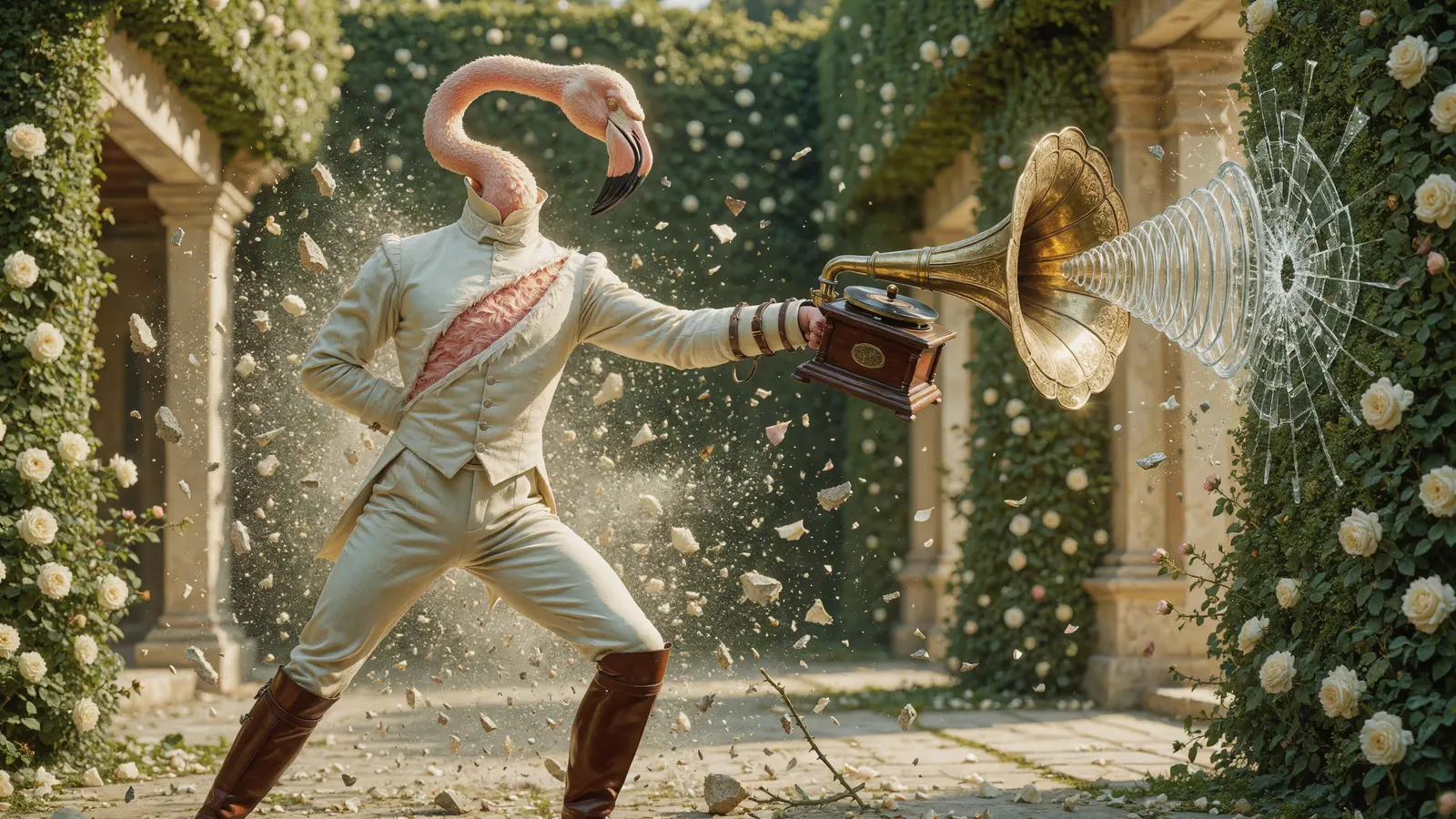
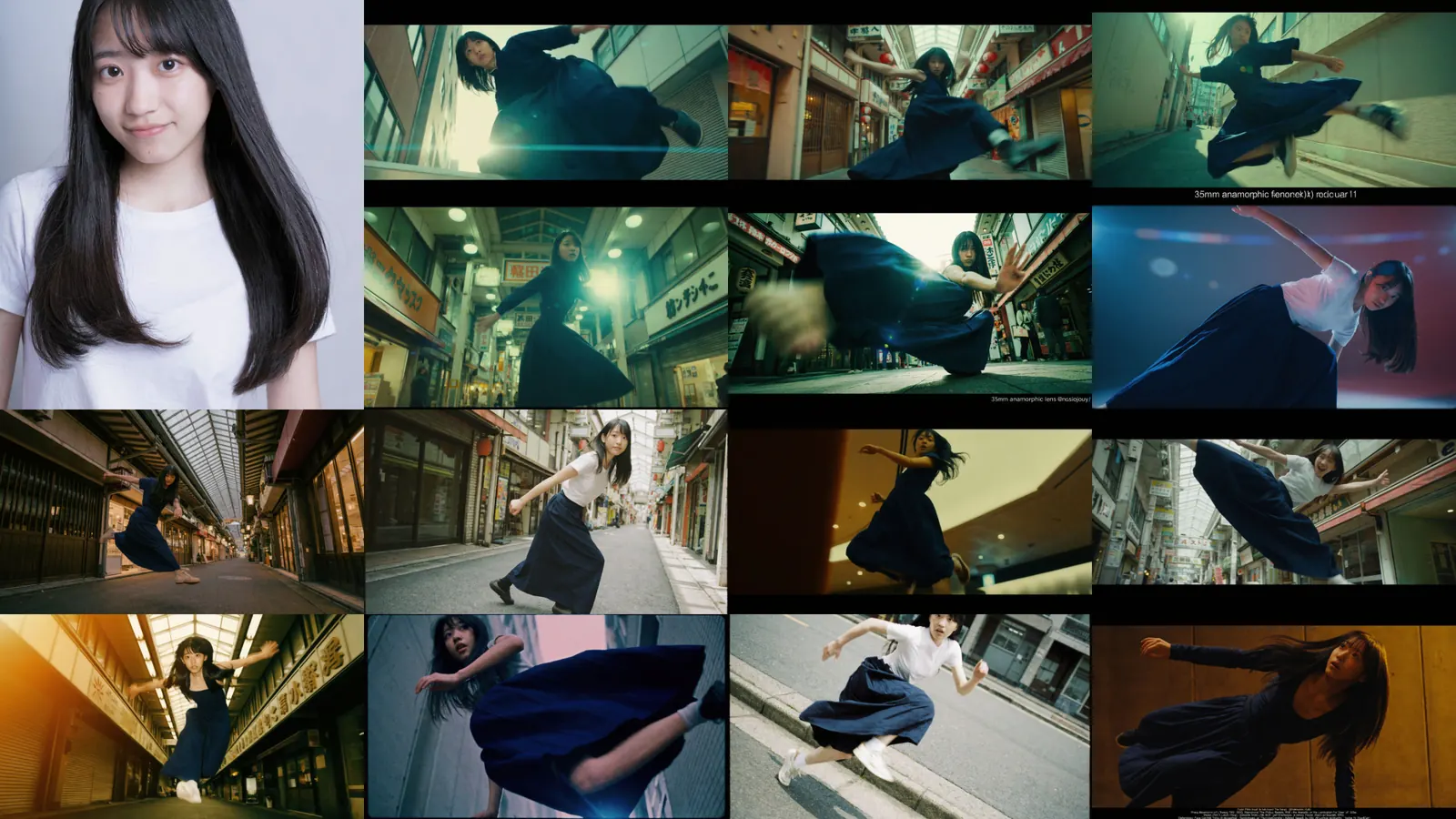
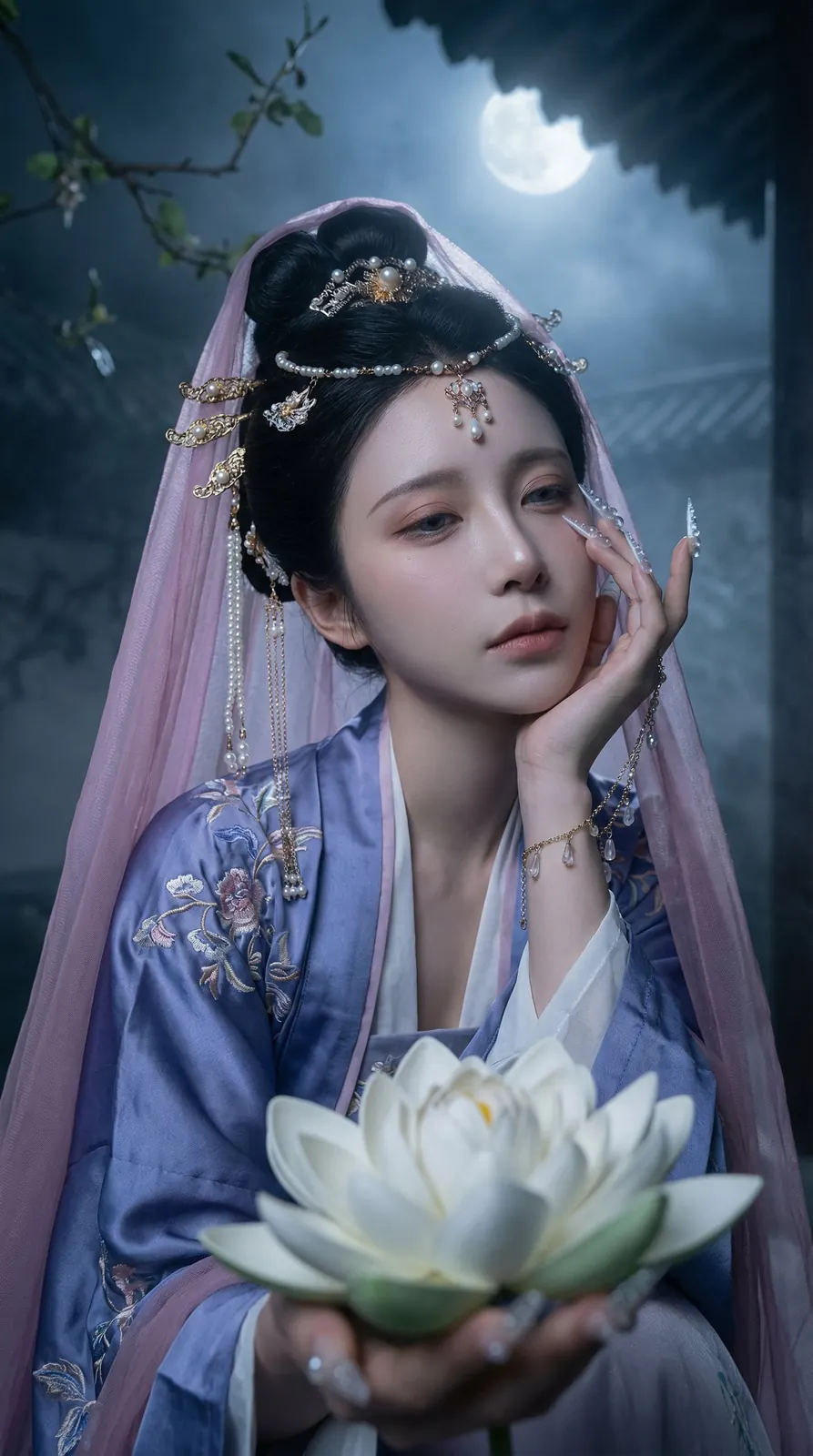
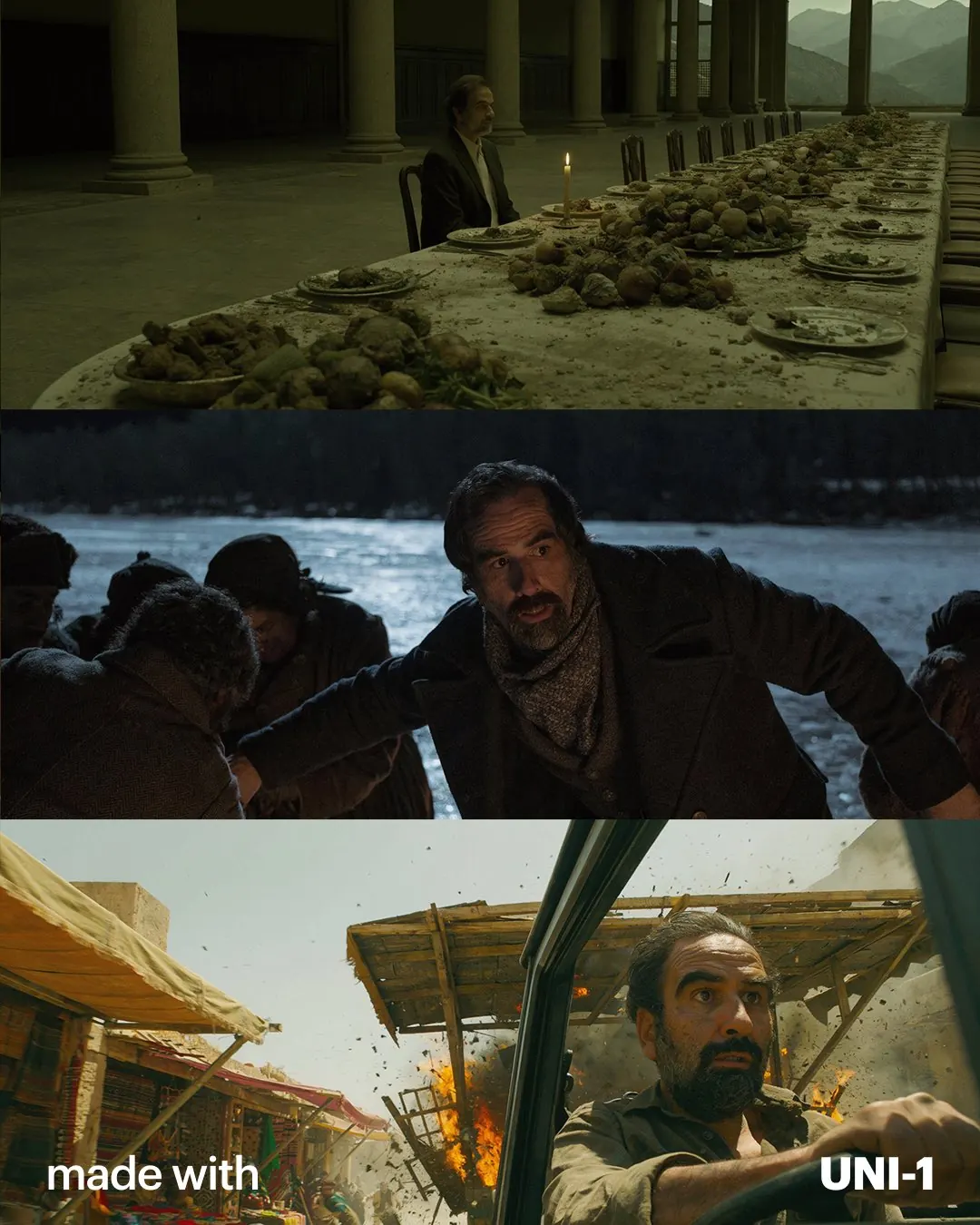
A hand-picked gallery of Uni-1 image results, compressed for fast loading and placed directly under the homepage generator.







Uni-1 —
Unified Intelligence for Images.
Uni-1 is Luma AI's first Unified Intelligence model and the opening release in its broader multimodal roadmap. It launched alongside Luma Agents on March 5, 2026, then opened public free trial access on March 23, 2026, positioning itself as a reasoning model that can generate pixels instead of a conventional image-only generator.
It is built for designers, marketers, storytellers, and enterprise creative teams who need more than style transfer. Uni-1 shines when prompts contain multiple constraints, ambiguous subject relationships, heavy editing, reference-driven consistency, or infographic-like structure that ordinary diffusion pipelines often miss.
One Model, One Weight Set
Uni-1 runs understanding and generation inside a single autoregressive architecture, without handing work from a language model to a separate image model.
Think-and-Generate Workflow
Its text and image tokens live in one interleaved sequence, so the model reasons through intent while it is actively generating the image.
Reference-Heavy Production Control
From sketch refinement to identity-consistent character work, Uni-1 supports one to eight references for higher control across real production workflows.
A Roadmap Beyond Images
Luma frames Uni-1 as the first step toward a unified model family that expands into video, audio, speech agents, and interactive world simulation.
Uni-1 in
Three Reasoning Steps.
From intent to pixels, Uni-1 plans before it renders.
Describe the Goal
Write a natural-language brief, upload a sketch, or attach one to eight reference images. Uni-1 interprets role relationships, layout constraints, style cues, and ambiguous instructions inside one shared text-image sequence instead of splitting understanding and drawing into separate systems.
Use explicit relationships like 'horse rides astronaut' or 'foreground sharp, background soft' to let Uni-1 resolve scene logic precisely.
Let Uni-1 Reason
Before and during generation, Uni-1 decomposes the request, plans composition, checks physical plausibility, and autoregressively emits image tokens. That unified loop is why it performs better on spatial, causal, and logical constraints than diffusion-first pipelines.
Uni-1 is strongest when the prompt includes multiple constraints that would normally confuse standard text-to-image tools.
Iterate with Context
Refine the output across multiple turns without restating every detail. Uni-1 keeps context, applies new edits or references, and preserves identity, framing, and structure more reliably across follow-up generations.
Use follow-up edits for pose changes, age progression, infographic cleanup, or reference blending instead of regenerating from scratch.
Why Uni-1 Feels
Different from Diffusion Models.
Uni-1 wins when image generation requires understanding, not just style transfer.
Unified Understanding and Generation
Uni-1 uses a single decoder-only autoregressive transformer for both comprehension and pixel generation. It avoids the classic intent gap where one model interprets the prompt and another model tries to draw it.
One architecture. One reasoning loop. One output.
Structured Internal Reasoning
Luma describes Uni-1 as a multimodal reasoning model that can generate pixels. It can break instructions into subproblems, plan composition, and self-correct while rendering the image.
It reasons before the image is finished.
Multi-Reference Control
Uni-1 accepts one to eight reference images for character consistency, pose transfer, UV workflows, and sketch-to-polish generation. That makes it useful for real production pipelines instead of only one-off prompt experiments.
Up to 8 references in a single workflow.
State-of-the-Art Visual Reasoning
On RISEBench, Uni-1 reached 0.51 overall, ahead of Nano Banana 2, Nano Banana Pro, and GPT Image 1.5. Its spatial reasoning score of 0.58 and logic score of 0.32 show a clear edge on tasks that require actual thinking.
Built for spatial, causal, and logical edits.
Professional 2K Output
Uni-1 currently targets 2048px output for production-ready image generation and editing. That resolution, combined with strong reasoning and reference control, makes it practical for marketing assets, storyboards, and polished design work.
2K output built for real creative workflows.
Infographics and Chinese Text
Community feedback highlights unusually strong Chinese rendering, meme literacy, and infographic quality. Uni-1 also supports more than 76 artistic and cultural styles, from manga to polished commercial design.
Better text. Better culture-aware outputs.
Enterprise-Grade Creative Compression
Luma positions Uni-1 inside its Agents platform for ad localization, storyboarding, and large-scale asset production. Early enterprise stories describe campaigns compressed from long timelines to much faster delivery windows.
From boutique teams to global campaign ops.
Roadmap to Video, Audio, and Agents
Uni-1 is the first step in Luma's broader Unified Intelligence roadmap. The same architecture direction is meant to extend into video, audio, speech agents, and interactive world simulation.
Not just an image model. A platform direction.
Uni-1 for Reasoning-Heavy Creative Work.
Where ordinary image generators break on ambiguity, Uni-1 keeps going.
Storyboards
Shot Planning with Real Scene Logic
Generate storyboard frames, beat boards, and continuity explorations that preserve camera direction, role relationships, and lighting logic. Uni-1 is especially useful when a scene contains multiple subjects and precise foreground/background instructions.
Social Content
Memes, Infographics, and Culture-Native Visuals
Create visuals that mix text, iconography, internet culture, and strong composition. Uni-1's cultural literacy and stronger text rendering make it a better fit for modern social posts than purely aesthetic models.
Advertising
Localized Campaign Production
Use multi-reference workflows to preserve brand subjects, products, and layouts while generating many language or market variants. Uni-1 helps creative teams turn a master concept into a full campaign system faster.
Product & Design
Concepts, Mockups, and Visual Exploration
Move from sketches or rough comps to polished visuals with consistent structure. Product teams can test packaging, fashion, props, or spatial layouts without rewriting the entire prompt every time.
Character Systems
Identity-Consistent Character Iteration
With a single reference image, Uni-1 can keep a character stable across age progression, camera changes, and environmental shifts. That makes it useful for comics, fashion lookbooks, and branded mascots.
Education & Research
Explain Complex Ideas Visually
Generate diagrams, storyboards, and explanatory graphics that require accurate spatial organization and readable labeling. Uni-1 is well suited to teaching materials, scientific explainers, and visual knowledge work.
Why Early Users Keep Talking About Uni-1.
“It feels like idea-to-result instead of prompt-to-image. The model resolves ambiguous instructions the way a collaborator would.”
“We stopped simplifying prompts for the model. Uni-1 handles nested relationships, role swaps, and composition notes without collapsing the scene.”
“Reference control is the real unlock. Sketches, photos, and character anchors survive editing much better than in diffusion-heavy tools.”
“For infographics and Chinese text, Uni-1 is the first model I would reach for. It feels cultured, not just polished.”
“At 2K, Uni-1 was more reliable than the tools we were benchmarking on difficult prompts and multi-reference tasks.”
“You can see the architecture difference. It behaves more like an agent that evaluates and fixes, not a model blindly denoising pixels.”
Explore
Uni-1
See why March 2026 became a turning point for image generation. Test the public demo on Luma or use the FAQ below to compare benchmarks, workflows, and access.
Official public free trial opened on March 23, 2026. API access is rolling out through Luma's waitlist and enterprise channels.
Uni-1 —
Frequently Asked Questions.
Uni-1 is Luma AI's first Unified Intelligence multimodal model for image understanding and image generation. It launched with Luma Agents on March 5, 2026 and opened public free trial access on March 23, 2026.
Diffusion systems usually start from noise and rely on separate prompt-understanding components. Uni-1 uses a single decoder-only autoregressive transformer that reasons and generates inside one loop, so it can plan composition, resolve ambiguity, and self-correct while producing the image.
Uni-1 scored 0.51 overall on RISEBench, including 0.58 on spatial reasoning and 0.32 on logic reasoning. On ODinW-13, the full model reached 46.2 mAP, essentially tied with Gemini 3 Pro at 46.3 and ahead of Qwen3-VL-Thinking at 43.2.
Uni-1 is currently positioned around 2048px output for image generation and editing. Luma frames that as its main production resolution today, with broader multimodal expansion planned beyond images.
Uni-1 supports one to eight reference images in a single workflow. That range is designed for character consistency, style transfer, pose guidance, UV tasks, and sketch-to-finish editing.
Yes. Early community feedback consistently highlights strong Chinese text rendering, good infographic quality, and better handling of culture-specific formats like memes and manga. Some users still note room to improve on non-Latin text edge cases and very high-resolution speed.
Uni-1 leads on reasoning-heavy benchmarks and offers stronger reference and editing control than many competing tools. Nano Banana can still be faster on some lower-resolution tasks, while Midjourney v8 may retain an edge on pure aesthetic polish rather than structured problem solving.
You can try Uni-1 on Luma's official web experience at lumalabs.ai/uni-1. API access is rolling out through a waitlist, and enterprise teams can access it through Luma Agents.
Still have questions? Contact us